
Local Government
Affordability concerns should sink proposed train tax
Jonathan Small | November 23, 2026
Affordability was a major issue in this year’s elections, and voters in Oklahoma sent a loud message to state politicians: Don’t increase our cost of living.
Republican state lawmakers, who have cut taxes and therefore reduced Oklahoma family expenses, retained supermajorities in both chambers of the Oklahoma Legislature and control of all statewide offices.
At the same time, voters’ overwhelming rejection of a proposed 0.4 percent sales tax in Oklahoma County, which would have funded a new jail, shows Oklahomans are not interested in policies that make everyday basics more expensive at a time of continued inflation.
Rejection of the jail tax should end all discussion of a separate proposed sales-tax increase to build a $1.8 billion commuter rail line from Edmond to downtown Oklahoma City to Norman.
If voters don’t support a 0.4 percent sales-tax increase for a true core function of government like public safety, why would anyone think they want to pay a full percentage point increase in local sales tax to fund a train that few will ride?
The proposed rail system would require a substantial local sales-tax increase, including taxes on grocery purchases.
The train tax would increase the cost of many everyday necessities, including groceries. While the state sales tax on groceries has been repealed, local sales taxes on groceries remain in place.
Furthermore, a look at similar passenger train projects across the country shows that many quickly have cost overruns and low ridership that leads to demand for even-higher taxes to keep them afloat.
A February 2026 report by DWU Consulting warned that “13 of 15 largest U.S. transit agencies by operating budget confront structural deficits—operating costs rising faster than farebox revenue and local funding.”
The SoundTransit system in Seattle, which operates both light rail and commuter rail systems, was funded with a three-tenths of a cent sales tax and a car-registration fee when it launched in the 1990s. Today, it is funded with a 1.5-percent sales tax rate, car-tag fees, rental-car taxes, property taxes, and even state subsidies from a climate-tax program that effectively increased the state’s gas tax by up to 60 cents per gallon.
To maintain and repair Denver’s rail system, the Regional Transportation District in Denver is expected to submit another tax increase to voters in 2028. The train system is operating $225 million in the red.
The Northstar line in Minneapolis never met ridership projections, and service ended this year after a dramatic decline. The train served a pre-COVID maximum of 2,660 average weekday rides, but by 2024 averaged just 430.
And the list goes on.
Families are rightfully concerned about high fuel prices and their pass-along effect on the cost of other goods and services. There’s no need to raise prices even further with a train tax.
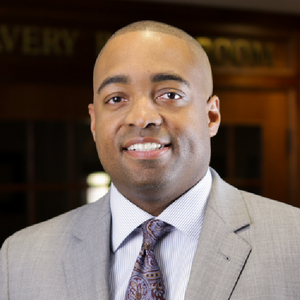
Jonathan Small
President
Jonathan Small, C.P.A., serves as President and joined the staff in December of 2010. Previously, Jonathan served as a budget analyst for the Oklahoma Office of State Finance, as a fiscal policy analyst and research analyst for the Oklahoma House of Representatives, and as director of government affairs for the Oklahoma Insurance Department. Small’s work includes co-authoring “Economics 101” with Dr. Arthur Laffer and Dr. Wayne Winegarden, and his policy expertise has been referenced by The Oklahoman, the Tulsa World, National Review, the L.A. Times, The Hill, the Wall Street Journal and the Huffington Post. His weekly column “Free Market Friday” is published by the Journal Record and syndicated in 27 markets. A recipient of the American Legislative Exchange Council’s prestigious Private Sector Member of the Year award, Small is nationally recognized for his work to promote free markets, limited government and innovative public policy reforms. Jonathan holds a B.A. in Accounting from the University of Central Oklahoma and is a Certified Public Accountant.