
Education
School-choice opponents think everyone is ‘rich’
Jonathan Small | April 27, 2026
To attack school choice, opponents now insist virtually everyone in Oklahoma is “rich.” That will surprise most families.
The Oklahoma Parental Choice Tax Credit program provides refundable tax credits of $5,000 to $7,500 per child to cover private school tuition. The largest tax credits go to those with the lowest incomes, and families with income of less than $150,000 per year are prioritized.
The program has been very popular, and demand is expected to exceed the current $250 million supply, so House Bill 3705 increases the cap to $275 million. During an April 9 debate, however, opponents repeatedly implied that thousands of working families are, in fact, wealthy.
Opponents’ insistence that up is down and poverty is wealth is only a sign of their desperation.
Because 90 percent of beneficiaries this year had children in private school last year, opponents argued that those families can easily afford private school without tax credits.
But the state didn’t track the number of people switching from public schools to private until this year, so the real share who have done so in the past two-and-a-half years is likely far higher.
Furthermore, the 90 percent of kids who used the tax-credit program this year, and were in private school last year, include 2,690 students on welfare programs such as food stamps, 29 homeless students, and another 6,807 students from families with income of $75,000 or less.
Does that sound “rich” to you?
School-choice opponents have also described income above $75,000 as far above the norm in Oklahoma.
But according to Census data, the median income of married-couple families in Oklahoma is $100,115, meaning over half of couples have income exceeding the school-choice program’s lowest-income bracket. Critics are ignoring the reality of dual-income households, and Census data show that about 60 percent of Oklahoma households with school-age children are headed by married couples.
According to the Oklahoma State School Boards Association, average teacher pay in Oklahoma was $61,686 in the 2024-2025 school year, meaning a husband and wife working as teachers at the average rate have a household income of more than $123,000.
Do school-choice opponents seriously believe teachers are “rich”?
It is clear that school-choice opponents, primarily Democrats, know they are talking nonsense. In 2019, when Oklahoma House Democrats called for imposing a higher income tax rate on “rich” Oklahomans, they set the threshold at $400,000, the equivalent of nearly $525,000 today. But now we’re supposed to think that $75,001 is “rich.”
Oklahoma Tax Commission data show that 56 percent of children using the school-choice program are from low-income or middle-class families with incomes of no more than $150,000, and 72 percent of those switching to private school for the first time are from that income category.
That means the Oklahoma Parental Choice Tax Credit is helping working families. Opponents’ insistence that up is down and poverty is now wealth is only a sign of their desperation, not any failure of the program.
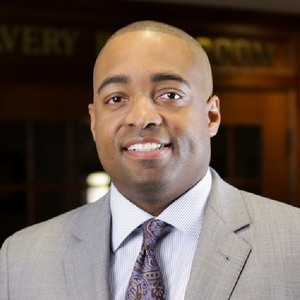
Jonathan Small
President
Jonathan Small, C.P.A., serves as President and joined the staff in December of 2010. Previously, Jonathan served as a budget analyst for the Oklahoma Office of State Finance, as a fiscal policy analyst and research analyst for the Oklahoma House of Representatives, and as director of government affairs for the Oklahoma Insurance Department. Small’s work includes co-authoring “Economics 101” with Dr. Arthur Laffer and Dr. Wayne Winegarden, and his policy expertise has been referenced by The Oklahoman, the Tulsa World, National Review, the L.A. Times, The Hill, the Wall Street Journal and the Huffington Post. His weekly column “Free Market Friday” is published by the Journal Record and syndicated in 27 markets. A recipient of the American Legislative Exchange Council’s prestigious Private Sector Member of the Year award, Small is nationally recognized for his work to promote free markets, limited government and innovative public policy reforms. Jonathan holds a B.A. in Accounting from the University of Central Oklahoma and is a Certified Public Accountant.