
Economy
Who pays for SQ 832? You do.
Jonathan Small | June 12, 2026
On June 16, 2026, Oklahomans will vote on SQ 832. Visit www.sq832killsjobs.com to learn more.
Under State Question 832, the minimum wage in Oklahoma will more than double from $7.25 an hour to $15 an hour by 2029 and then continue rising every year based on the cost of living in the nation’s largest urban centers.
Even supporters of SQ 832 concede it will increase Oklahoma employers’ labor costs by anywhere from $783 million to $1 billion annually. They tout this as a good thing, but ignore a fundamental question: Where do businesses get their money? The answer: from their customers.
Ultimately, every dollar an employer receives comes from a customer. Money doesn’t grow on trees, as your dad probably told you. This economic reality escapes the supporters of SQ 832.
If you increase labor costs by $1 billion via government mandate, you’re effectively voting to increase the cost of goods and services by $1 billion annually.
And the added costs will grow over time, because SQ 832 not only raises Oklahoma’s minimum wage to $15 an hour but also continues to increase it every year based on increases in the cost of living in the nation’s largest urban centers, as measured by the U.S. Department of Labor’s Consumer Price Index for Urban Wage Earners and Clerical Workers.
There’s a reason why supporters of SQ 832 change the subject when you ask who’s going to cover the cost of these arbitrary pay increases. Because the answer is: “You will.”
That would effectively tie Oklahoma’s wage mandate to the cost of living in places like Seattle and New York City and San Francisco. While SQ 832 would initially mandate that entry-level jobs pay $15 an hour in 2029, an analysis by The State Chamber of Oklahoma and Oklahoma Farm Bureau found SQ 832 would put Oklahoma’s minimum wage at $35.61 per hour within 15 years—and continue rising thereafter.
A wage mandate that sees no difference between Boise City, Oklahoma, and New York City is one completely untethered from reality. The cost of employing workers will rapidly exceed the value they can provide to an employer, because there is a price after which customers stop purchasing goods and services from you.
What happens then? Jobs are eliminated. Hours are cut. Benefits are reduced or eliminated.
SQ 832 will give Oklahoma the worst of all worlds. We’ll have ever-higher prices and fewer opportunities for employment. For those entering the workforce for the first time, that’s a recipe for disaster. Your bills will go up, but your ability to earn enough to pay your bills will decline.
This is not a complicated question. If you want to pay more for less, then SQ 832 is for you. But if you want to keep Oklahoma a low-cost-of-living state with job opportunities for all, you should vote “no.”
There’s a reason why supporters of SQ 832 change the subject when you ask who’s going to cover the cost of these arbitrary pay increases. Because the answer is: “You will.”
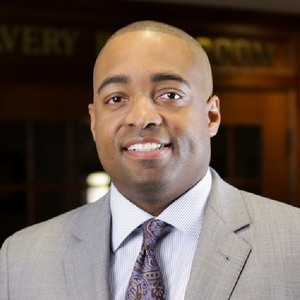
Jonathan Small
President
Jonathan Small, C.P.A., serves as President and joined the staff in December of 2010. Previously, Jonathan served as a budget analyst for the Oklahoma Office of State Finance, as a fiscal policy analyst and research analyst for the Oklahoma House of Representatives, and as director of government affairs for the Oklahoma Insurance Department. Small’s work includes co-authoring “Economics 101” with Dr. Arthur Laffer and Dr. Wayne Winegarden, and his policy expertise has been referenced by The Oklahoman, the Tulsa World, National Review, the L.A. Times, The Hill, the Wall Street Journal and the Huffington Post. His weekly column “Free Market Friday” is published by the Journal Record and syndicated in 27 markets. A recipient of the American Legislative Exchange Council’s prestigious Private Sector Member of the Year award, Small is nationally recognized for his work to promote free markets, limited government and innovative public policy reforms. Jonathan holds a B.A. in Accounting from the University of Central Oklahoma and is a Certified Public Accountant.